AI in e-commerce: trends, benefits, and strategies for 2025 and beyond

Vitor CostaCTO ·
We recently hosted an event in Belo Horizonte, in partnership with TOTVS BH, where we looked at the real effect of artificial intelligence on e-commerce. I want to share the main points that came out of it, so your company can understand this technology and put it to work.
The AI shift is closer than it looks
The speed of AI is striking. It is changing processes, and it is also changing sales, customer service, and how a business is run.
One figure helps size the effect: McKinsey estimated that 35% of what consumers buy on Amazon comes from the store’s personalized recommendations. Recommendations, service, and search are exactly the fronts where AI reaches e-commerce first.
Companies that do not start testing now tend to fall behind.

Practical uses of AI for your business
There is no need to wait to use AI. Solutions already exist that you can put in place today to move results.
Some of those uses:
- Automatic reading of metrics, and personalized campaigns built by intelligent agents;
- Tools that generate images, video, and product descriptions on their own, which brings cost down;
- Predictive AI to adjust inventory and avoid losses;
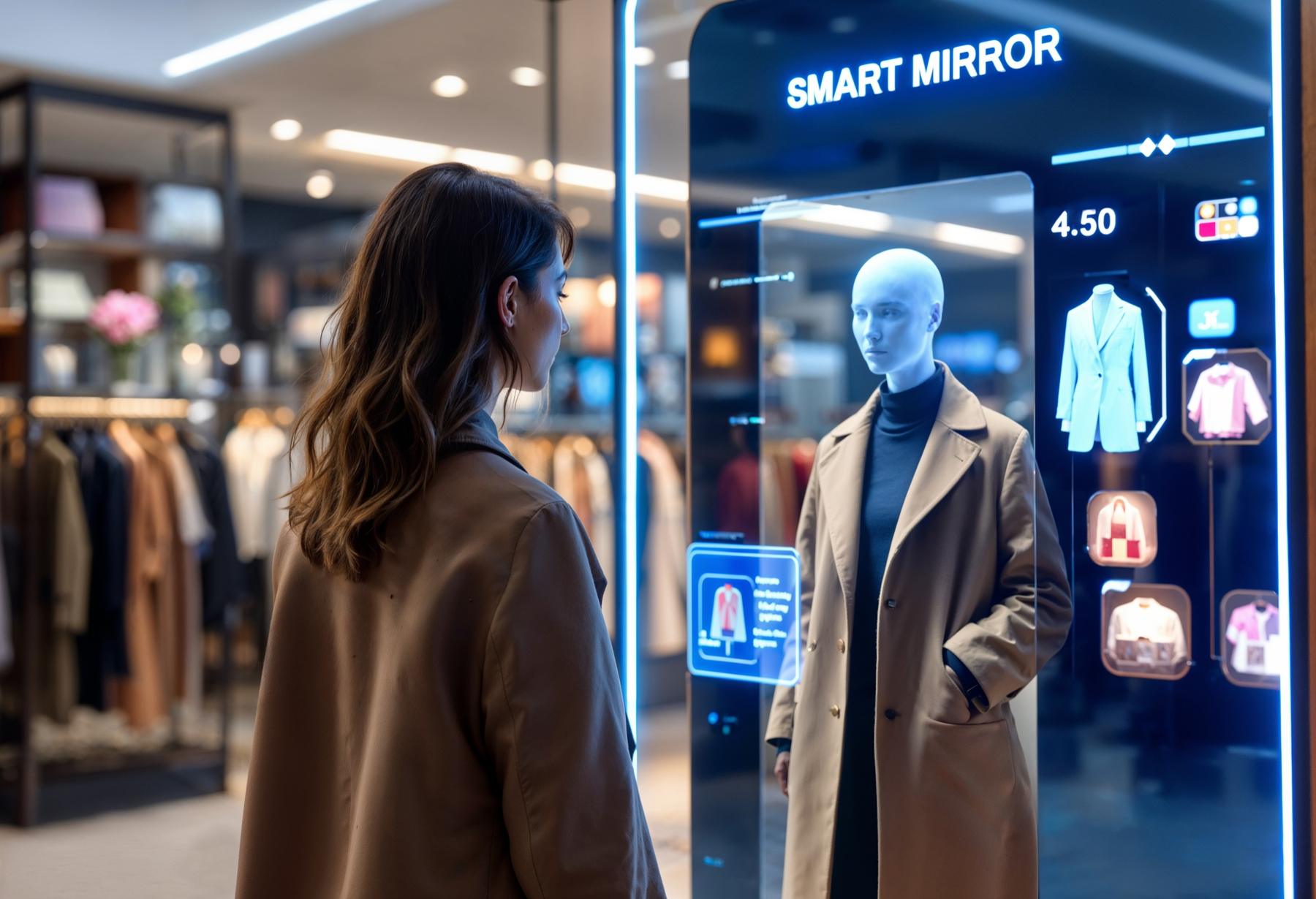
- Augmented reality, to build buying experiences that are more immersive and more compelling.
These technologies are real competitive differences.
The effect on Brazilian companies is concrete
Brazilian companies are already showing visible results with AI, which confirms that this shift is not only theory.
A few examples:
- Magazine Luiza and Renner raised their conversion rates in a significant way;
- Natura lifted average order value through personalization with AI;
- Casas Bahia cut costs and improved the speed of service with virtual assistants.
Investing in AI means betting on growth that can last.

How to get past the hard parts and start
Meeting the hard parts of using AI is fundamental if the work is going to succeed.
That is why we recommend:
- Start in the areas that move the short term most, such as customer service and marketing;
- Grow in steps, so governance and data quality stay intact;
- Pay attention to privacy and to the requirements of the LGPD.
Careful planning helps you avoid the mistakes that show up most often.
The future is already here: get ready for 2030
AI’s place in e-commerce is only going to grow. Prepare the company for:
- Voice service and intelligent assistants;
- Heavy use of augmented reality and hyper-personalization;
- Full automation of logistics and operations.
Companies that bring these technologies in will be ready for a market that keeps getting more competitive.
If you want to go further on any of these points, or see how to start applying AI in your e-commerce, I am here to help.